
Karwa Chauth 2026: Date, Puja Vidhi, Vrat Katha, Significance and Moonrise Time
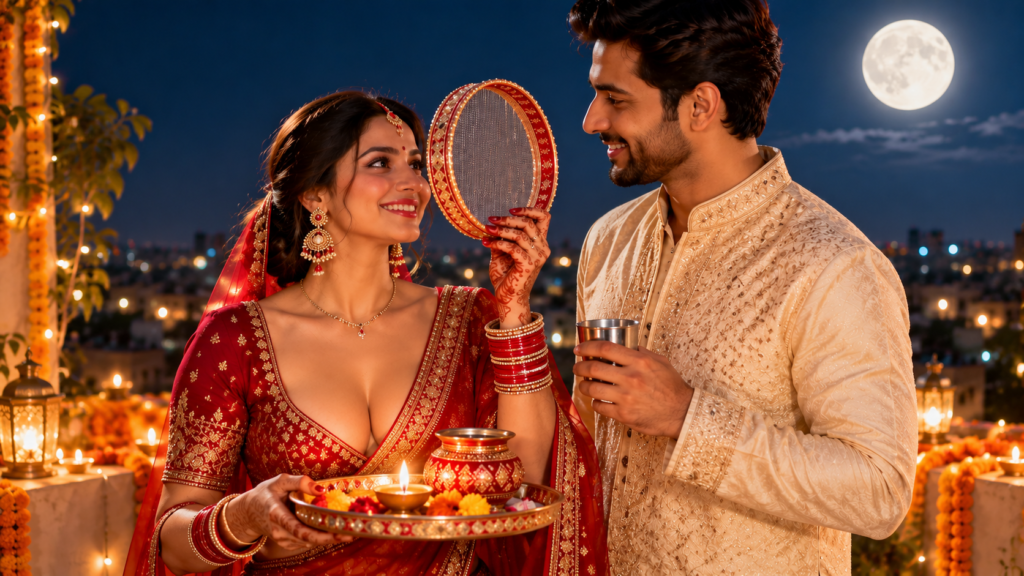
Karwa Chauth 2026 will be celebrated on Thursday, October 29, 2026. This traditional Hindu festival holds special significance for married women, particularly in North India, who observe a day-long fast and offer prayers for their husbands’ long life, good health and happiness. The festival is marked by the early-morning Sargi ritual, evening puja, the recitation of the Karwa Chauth Vrat Katha and the much-awaited sighting of the Moon.
From traditional attire and mehendi to the ceremonial thali and moonrise prayers, Karwa Chauth brings together faith, family traditions and festive celebrations. Here is a complete guide to Karwa Chauth 2026, including its date, puja timings, rituals, vrat katha and religious significance.
Karwa Chauth 2026 Date and Puja Muhurat
Karwa Chauth is observed on the Chaturthi Tithi, or fourth day, of Krishna Paksha during the Hindu lunar month associated with Kartik in the North Indian calendar. In 2026, the festival falls on October 29.
According to Drik Panchang, the puja muhurat for New Delhi is approximately 5:38 PM to 6:56 PM, while the expected moonrise is around 8:17 PM. These timings are specific to New Delhi; devotees should check their local Panchang for accurate timings in their city. Source: Drik Panchang.
| Festival detail | Information |
|---|---|
| Festival | Karwa Chauth 2026 |
| Date | Thursday, October 29, 2026 |
| Hindu lunar date | Krishna Paksha Chaturthi |
| Puja muhurat in New Delhi | 5:38 PM–6:56 PM |
| Expected moonrise in New Delhi | Around 8:17 PM |
| Main observances | Sargi, vrat, evening puja and Moon worship |
What Is Karwa Chauth and Why Is It Celebrated?
Karwa Chauth is a traditional Hindu festival associated with marital devotion, prayers and the well-being of family members. It is particularly popular in Punjab, Haryana, Rajasthan, Uttar Pradesh, Delhi and other parts of North India.
Traditionally, married women observe a fast from sunrise until the Moon is sighted. They pray for their husbands’ longevity, good health, prosperity and happiness. In many households, the observance is also an occasion for families to gather, exchange gifts and celebrate the relationship between husband and wife.
The word Karwa refers to an earthen pot traditionally used during the rituals, while Chauth means the fourth day of the lunar fortnight. The Moon has an important place in the celebration because its sighting traditionally marks the conclusion of the fast.
Although the festival has historically been associated with married women, customs differ between families and regions. Some unmarried women also observe the fast according to their beliefs and family traditions.
Religious Significance of Karwa Chauth
Karwa Chauth is closely associated with devotion, commitment and prayers for marital happiness. Goddess Parvati, Lord Shiva, Lord Ganesha and Chandra Dev, the deity associated with the Moon, are connected with the worship performed in many households.
Goddess Parvati is often worshipped as an ideal of marital devotion and strength. Devotees seek divine blessings for peace, prosperity and harmony in their married lives.
The festival’s significance also lies in the preservation of family customs. From preparing Sargi before sunrise to listening to the vrat katha in the evening, each ritual reflects traditions passed down through generations.
For many families, Karwa Chauth is also an opportunity for spouses to express affection, appreciation and mutual support.
Karwa Chauth Vrat Katha: The Traditional Story Behind the Festival
The Karwa Chauth Vrat Katha is an important part of the evening observance. Families may follow different versions of the story depending on their region and religious tradition.
One widely narrated version tells the story of Veeravati, a devoted woman who observes a fast for her husband’s well-being. As the day progresses, she becomes weak and distressed while waiting for the Moon to appear. According to the popular tale, her brothers create the appearance of moonrise to persuade her to end the fast early.
After she breaks her fast, a series of unfortunate events follows. In the traditional narrative, Veeravati’s devotion and prayers ultimately lead to the restoration of her husband’s well-being.
The story is commonly understood as a lesson about faith, patience, devotion and the importance of observing the vrat according to one’s tradition. Details of the narrative vary across tellings.
During Karwa Chauth, women gather in groups to listen to or recite the vrat katha while performing the prescribed rituals. For many devotees, this storytelling is one of the most meaningful parts of the festival.
Karwa Chauth Puja Vidhi: Step-by-Step Rituals
The rituals of Karwa Chauth can vary by region and family. However, the following practices are commonly observed.
1. Begin the Day with Sargi
Sargi is the pre-dawn meal traditionally prepared or given by the mother-in-law to her daughter-in-law. It is eaten before the fast begins.
The meal may include fruits, nuts, sweets, dry fruits, homemade dishes and other foods customary in the family. Many women also use this time to seek blessings from their elders before starting the day’s observance.
2. Observe the Karwa Chauth Vrat
After Sargi, devotees begin the fast according to their family’s customary practice. The traditional nirjala vrat involves abstaining from both food and water until the Moon is sighted.
Fasting practices are not identical for everyone. People with medical conditions, those who are pregnant or breastfeeding, and anyone for whom fasting may be unsafe should seek appropriate medical advice and should not feel compelled to undertake a strict fast.
3. Prepare the Karwa Chauth Puja Thali
The puja thali is prepared with the items required for the family’s customary worship. Common items include a diya, roli, rice grains, flowers, sweets, a small vessel containing water and a sieve for the Moon-sighting ritual.
A decorated karwa, traditionally an earthen pot, is also an important part of many observances. Some families use a printed Karwa Chauth calendar or an image of the deities during the puja.
4. Perform the Evening Puja
In the evening, women dress in traditional clothes and gather for the puja. Red, maroon, pink and other festive colours are popular choices, although there is no single mandatory colour for everyone.
Devotees worship Goddess Parvati and other deities according to their family customs. The Karwa Chauth Vrat Katha is recited or heard, and the karwa and puja thali are used during the ceremony.
Women may exchange karwas, gifts or symbolic items and offer prayers for peace and prosperity in their households.
5. Wait for Moonrise
The sighting of the Moon is one of the most anticipated moments of Karwa Chauth. Families often gather on terraces, balconies or in open spaces while waiting for the Moon to appear.
The exact time differs by location. Weather conditions and cloud cover may also affect visibility, so the published moonrise time should be treated as a guide rather than a guarantee of when the Moon will become visible.
6. Offer Prayers to the Moon and Break the Fast
Once the Moon is sighted, devotees traditionally offer water, known as arghya, and perform the prescribed Moon-worship ritual.
In many families, women look at the Moon through a sieve and then look at their husbands through it. Their husbands may offer them water and the first morsel of food to conclude the fast.
These customs symbolise devotion, affection and the completion of the day’s religious observance. The precise sequence may differ according to regional and family traditions.
Karwa Chauth Puja Samagri: Essential Items
Preparing the puja items in advance can make the evening rituals easier.
Commonly used items include:
- Karwa or a small water vessel
- Puja thali
- Diya and cotton wicks
- Ghee or oil for the lamp
- Roli, kumkum and rice grains
- Flowers and sweets
- Water for the traditional offering to the Moon
- Sieve for the moon-sighting ritual
- Images of Goddess Parvati and other deities worshipped by the family
- Karwa Chauth vrat katha or a traditional calendar
The exact list depends on local customs and the method of worship followed by the family.
Sargi on Karwa Chauth: Meaning and Tradition
Sargi is an important pre-dawn tradition associated with Karwa Chauth. It is commonly prepared by the mother-in-law for her daughter-in-law and eaten before sunrise, when the day’s fast begins.
A typical Sargi meal may include fresh fruit, nuts, milk, sweets, roti or other homemade foods. The choice of dishes varies according to family preferences and regional traditions.
The meal is intended to provide nourishment before the fasting period. Those who choose to observe the fast should consider their individual health needs when planning their pre-dawn meal.
In addition to food, Sargi may include clothes, jewellery, cosmetics or other gifts. The custom represents affection, blessings and the relationship between family members.
Karwa Chauth Mehendi, Traditional Clothes and Celebrations
Mehendi, traditional clothing and festive preparations contribute to the celebratory atmosphere of Karwa Chauth.
Many women apply henna to their hands, wear sarees or lehengas, and choose jewellery and bangles for the evening puja. Red is a popular colour because of its association with weddings and auspicious occasions, although other colours are equally common.
Beauty salons, clothing shops and markets may see increased activity around the festival as families prepare for the celebrations.
Some communities organise group pujas where women sit together, share traditional songs and exchange festive greetings. In other households, the celebration is more intimate, involving only close family members.
Modern observances may also include couples exchanging gifts, planning a special dinner after the fast or sharing photographs and wishes on social media.
How Is Karwa Chauth Celebrated Across India?
Karwa Chauth is especially prominent in North India, but the way it is observed differs between communities.
Punjab: Sargi, festive clothing, group gatherings and the evening Moon ritual are important parts of many celebrations.
Haryana: Women often follow family traditions involving pre-dawn meals, evening prayers and the recitation of the vrat katha.
Uttar Pradesh: Puja rituals, decorated karwas, traditional stories and Moon worship form part of many households’ observances.
Rajasthan: Traditional attire, jewellery, mehendi and regional customs add to the festive atmosphere.
Delhi and neighbouring areas: Families may combine traditional puja practices with contemporary celebrations, gift exchanges and festive gatherings.
These are broad descriptions rather than fixed rules. Customs can differ considerably even between families living in the same city.
Karwa Chauth 2026: Important Things to Remember
If you are observing Karwa Chauth this year, keep the following points in mind:
- Confirm the date and puja muhurat for your city.
- Check local moonrise timings before planning the evening ritual.
- Prepare Sargi and puja samagri in advance if you follow these traditions.
- Keep the items needed for the Moon-sighting ritual ready.
- Follow your family’s customary puja procedure.
- Prioritise your health and avoid unsafe fasting practices.
The festival is ultimately a personal and religious observance. The way it is celebrated should reflect the devotee’s beliefs, family customs and individual circumstances.
Frequently Asked Questions About Karwa Chauth
When is Karwa Chauth in 2026?
Karwa Chauth will be observed on Thursday, October 29, 2026.
What is the puja muhurat for Karwa Chauth 2026?
For New Delhi, the published puja muhurat is approximately 5:38 PM to 6:56 PM on October 29. Timings vary by location, so check a reliable local Panchang.
What is the expected moonrise time for Karwa Chauth 2026?
The expected moonrise in New Delhi is around 8:17 PM. The time differs across cities and actual visibility depends on local weather conditions.
Why do women observe the Karwa Chauth fast?
Traditionally, married women observe the fast and pray for their husbands’ long life, health and well-being. The festival is also associated with marital happiness, devotion and family traditions.
What is Sargi on Karwa Chauth?
Sargi is a pre-dawn meal traditionally prepared or given by the mother-in-law. It is eaten before the day’s fast begins and may include fruit, nuts, sweets and homemade food.
Why is the Moon worshipped on Karwa Chauth?
Moon worship is a central part of the traditional observance. Devotees offer prayers and water to the Moon, and its sighting marks the customary completion of the fast.
What is the significance of the Karwa Chauth Vrat Katha?
The vrat katha conveys traditional lessons about devotion, faith, patience and the significance of the observance. Different regions and families may narrate different versions.
Can unmarried women observe Karwa Chauth?
Some unmarried women observe the vrat according to their personal beliefs and family traditions. Practices vary, and it is not a universal requirement.
Conclusion
Karwa Chauth is a festival that brings together religious devotion, family customs and expressions of affection. From Sargi in the early morning to the evening puja and Moon-sighting ceremony, its rituals reflect traditions that continue to hold significance for many families.
As Karwa Chauth 2026 falls on October 29, devotees can prepare by checking their local puja timings, arranging the necessary samagri and following their customary rituals. Above all, the occasion offers an opportunity to celebrate love, togetherness, mutual care and the traditions that connect generations.